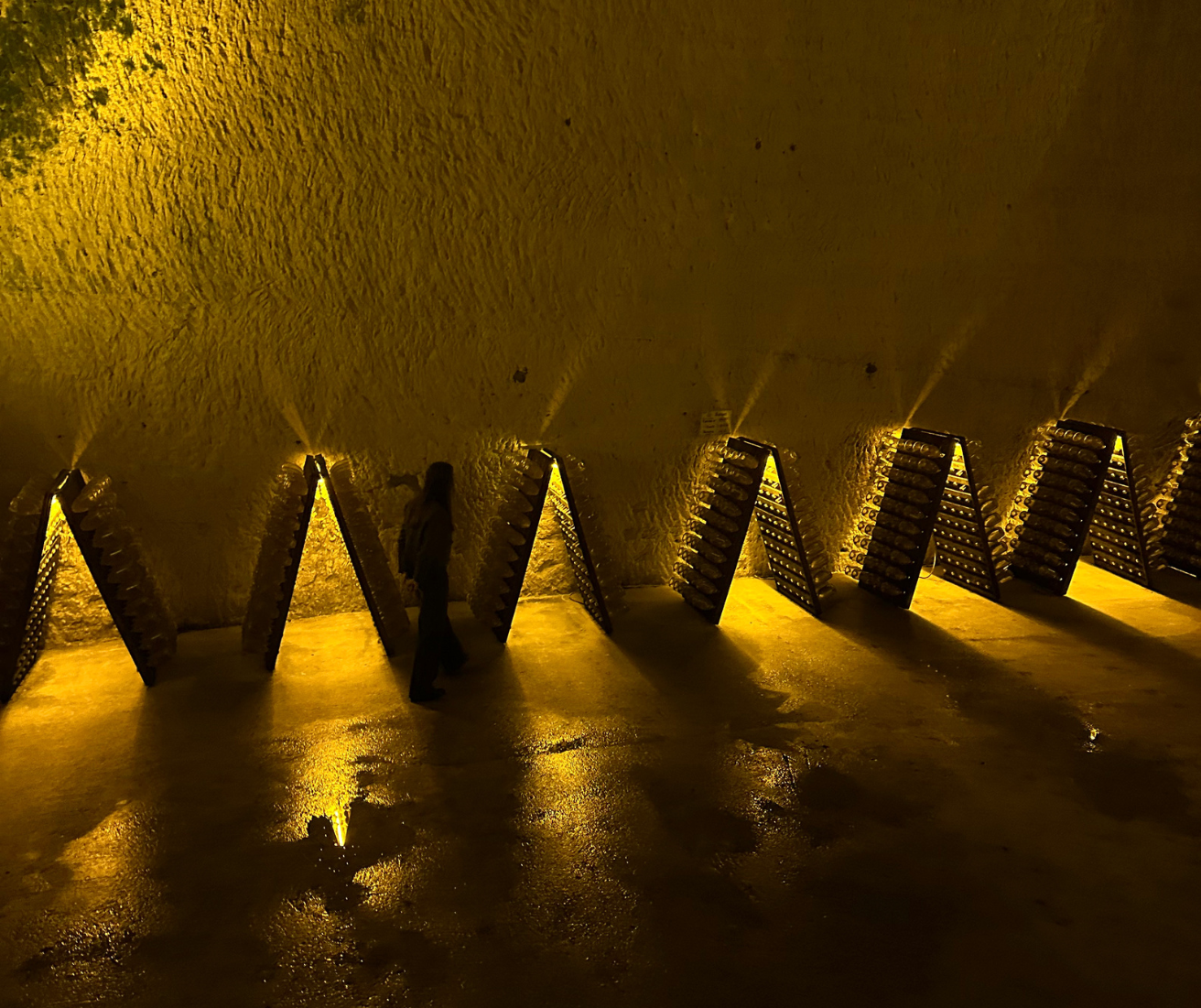
Is Visiting the Champagne Region in France Actually Worth It in 2026?
Discover why France's Champagne region became one of our favorite luxury getaways - from historic cellars to unforgettable tastings.
%20(304%20x%20128%20px).png)
.png)
Date:
Jul 01, 2026
Duration:
4 min to read
Writer:
Nadia Dall
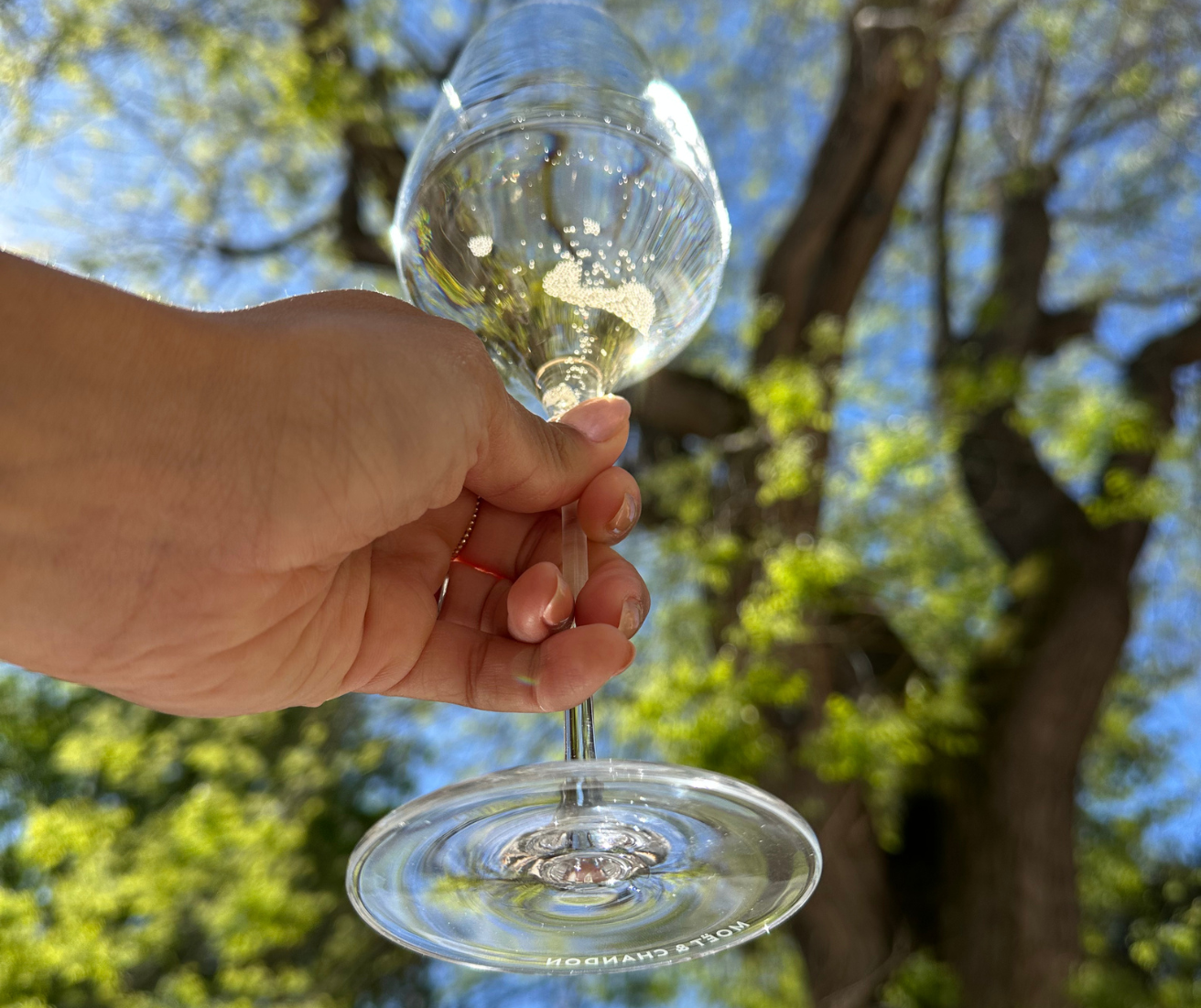
If you’ve ever wondered why some champagnes taste super crisp and fresh while others feel deeper, richer or more powerful, it’s usually not random.
Every champagne house has its own signature style, grape philosophy and identity.
And once you understand that, champagne somehow becomes even more interesting.
Here are three iconic champagne maisons and what they are especially known for.
Ruinart is especially well-known for its Blanc de Blancs style.
“Blanc de Blancs” means that the champagne is made exclusively from white grapes, in Champagne, this means Chardonnay only.
No Pinot Noir.
No Pinot Meunier.
This is exactly what gives Ruinart its elegant and recognizable house style:
Even Ruinart Rosé often still carries some of these signature Chardonnay-driven characteristics.
One especially interesting thing:
As Blanc de Blancs vintages age, they usually become creamier, more layered and more complex while losing a bit of their sharp freshness.
That balance between freshness and elegance is what makes Ruinart so popular among Blanc de Blancs lovers.
.jpeg)
Dom Pérignon does things differently.
One of the biggest differences:
Every Dom Pérignon is always a vintage champagne.
That means the grapes only come from one single harvest year.
There is no non-vintage Dom Pérignon.
The house also only uses:
No Pinot Meunier, N E V E R
This creates a style that usually feels:
Compared to many younger non-vintage champagnes, Dom Pérignon often feels more complex and refined because it’s built around expressing one specific vintage year.
That vintage-only philosophy is one of the reasons why Dom Pérignon became such an iconic luxury champagne.
.jpeg)
Veuve Clicquot is heavily built around Pinot Noir.
Especially the famous Yellow Label Brut.
Most Veuve Clicquot blends are Pinot-Noir-driven, which gives the house its signature style:
This philosophy goes all the way back to Madame Clicquot herself, who loved the strength and character Pinot Noir brings to champagne.
The iconic Yellow Label usually contains around 50–55 % Pinot Noir, which is very high compared to many other big houses.
That’s why Veuve Clicquot often feels:
compared to a very Chardonnay-focused house like Ruinart.
.jpeg)
Honestly - neither.
It completely depends on what you personally enjoy.
If you like:
you’ll probably love Blanc de Blancs styles like Ruinart.
If you prefer:
you’ll probably gravitate more toward Pinot-Noir-driven houses like Veuve Clicquot.
And if you love:
Dom Pérignon sits somewhere beautifully in between.
%20(304%20x%20128%20px)%20(3113%20x%20818%20px).png)